
How to Read a Kentucky Medical Cannabis Label

How to Read a Kentucky Medical Cannabis Label

A Kentucky medical cannabis label tells you far more than a strain name. This guide walks through each part of the label, from THC numbers to batch details, so you know what you are buying.

Grass Roots KY • Patient Education
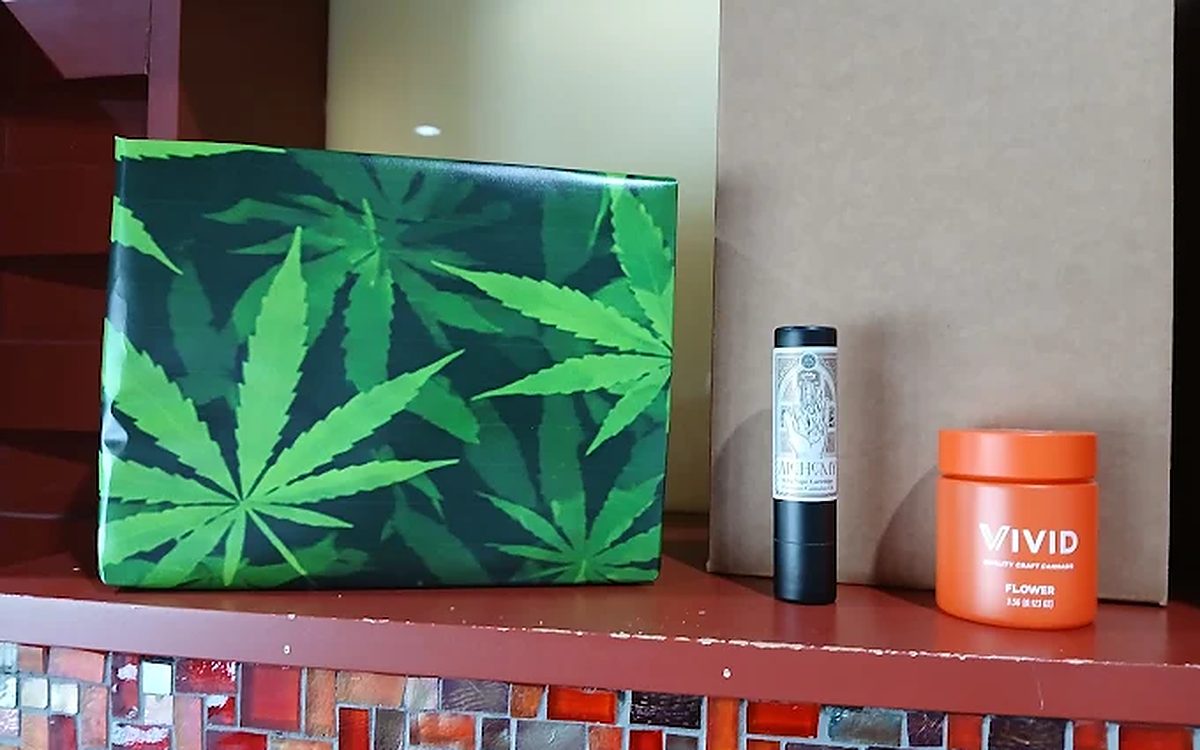
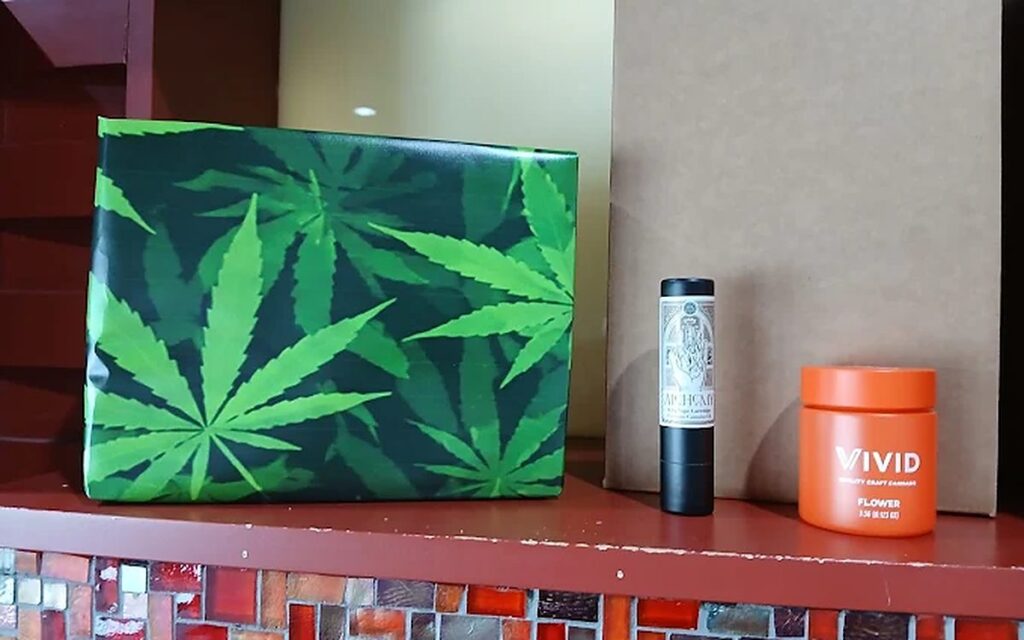
Flower jar and packaged products at Grass Roots in Mayfield, each one carrying a Kentucky medical cannabis label
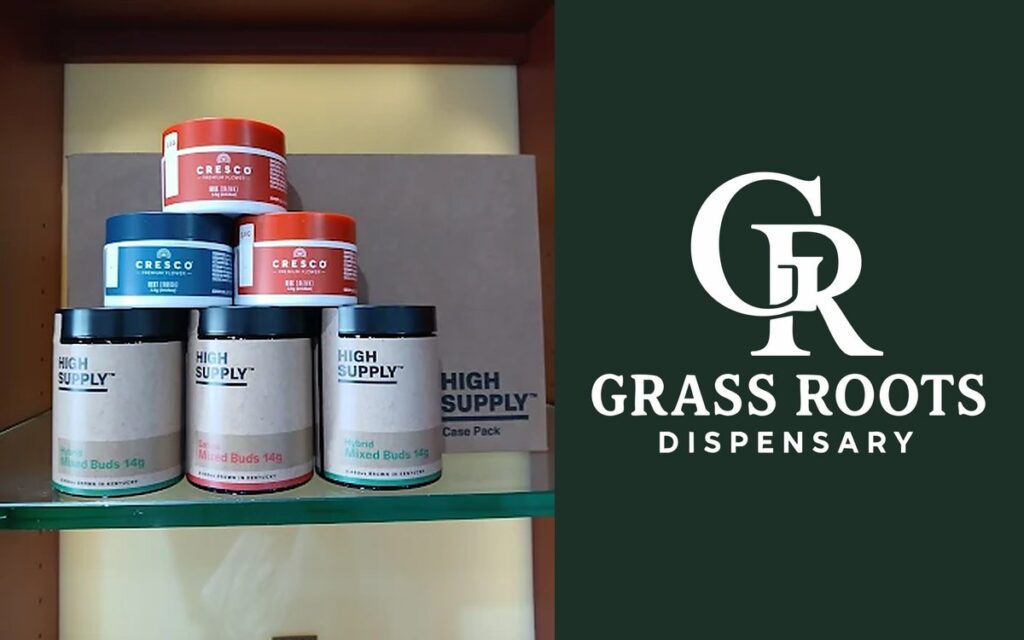
Packaged products on display at Grass Roots Dispensary in Mayfield.

Quick Answers

  • Every package must show the strain, the product form and also the THC and CBD content.
  • Flower labels list potency as a percentage, while edible labels list milligrams.
  • In addition, the label names the cultivator, the testing facility and the batch.
  • Then look for the expiration date, the state symbol and the required warnings.
  • Finally, some details may sit behind a QR code marked “Specific Product Information.”

What Every Kentucky Medical Cannabis Label Must Show

Kentucky’s packaging regulation, 915 KAR 1:100, sets the rules. As a result, labels look similar from one brand to the next.

Main parts of a Kentucky label
Label detailWhat it tells you
Strain and typeThe strain name and whether it is sativa, indica or hybrid
Product form and net weightWhat the product is and how much the package holds
THC and CBD amountsPotency figures from the batch’s certificate of analysis
TerpenesThe total terpene percentage and the most prevalent terpenes
Ingredients and allergensEverything in the product, plus possible allergens
Grower, processor and labThe licensed businesses that grew, made and tested the batch
Batch identifier and datesThe batch, plus its harvest, packaging, test and expiration dates
Dispensary stickerThe dispensary’s name, license number and phone number

Official reference: 915 KAR 1:100, Packaging and Labeling.

Potency on a Kentucky Medical Cannabis Label: Percent or Milligrams

Potency numbers change with the product form, so the units matter. Therefore, check them before you compare two products.

  • Flower. The label shows total THC and total CBD as percentages. State law also caps flower at 35 percent delta-9 THC.
  • Concentrates. The label shows THC and CBD in both milligrams and percentages. Meanwhile, state law caps these products at 70 percent delta-9 THC.
  • Edibles, oils and tinctures. The label shows milligrams per serving and per package. In addition, a single serving cannot exceed 10 milligrams of THC.

A package with several servings must also say “MULTIPLE SERVINGS” in bold. For more context, read our guides to edibles and what a THC percentage really tells you.

Warnings and Symbols to Look For

Kentucky requires several warnings on every package. First, look for the state’s standardized medicinal cannabis symbol, which is navy blue. You will also find the statement “For medicinal use by cardholders only. KEEP OUT OF REACH OF CHILDREN.”

In addition, each package lists the typical time the product takes to work. It must also show the National Poison Control Center phone number and any possible allergens.

Flower carries one more warning: “NOT INTENDED FOR CONSUMPTION BY SMOKING.” Our guide on whether you can smoke flower explains that rule.

Terpenes, Batches and Test Dates

The middle of the label holds the details that set one batch apart from another, so it deserves a close look.

First, the terpene line lists the total terpene percentage and the most prevalent terpenes. Our Strain of the Week posts also show terpene profiles for featured strains.

Second, the batch identifier connects your package to a specific harvest or production run. Because a licensed safety compliance facility tests each batch, the THC and CBD figures come from that batch’s certificate of analysis.

Finally, compare the test date, the packaging date and the expiration date. Together, they tell you how fresh the product is.

What the QR Code on a Kentucky Medical Cannabis Label Does

Small packages leave little room for text. So, Kentucky lets a business move some details to a QR code. The code must sit next to the words “Specific Product Information,” and it must be large enough for a phone to scan.

Behind the code, you may find the names and license numbers of the cultivator, processor and packager. Likewise, the extraction method and the packaging date can appear there instead of on the label.

Packaging Rules That Protect Your Household

The package itself follows rules, too. First, it must be child-resistant, with at least two steps to open it the first time. It must also carry a tamper-evident seal. In addition, the package must be opaque, light-resistant and, when the product calls for it, resealable.

Kentucky also bans cartoons and designs that could appeal to children. Similarly, a package cannot imitate a familiar food or drink brand. Even so, keep every product in its original package and out of reach of children and pets.

Help Reading a Medical Cannabis Label at Grass Roots

Labels pack a lot into a small space, so questions are normal. At Grass Roots, our team can walk you through any label before you buy. However, we cannot give medical advice, so ask your practitioner about amounts and interactions.

New to shopping with us? Our guide to your first visit explains what happens at the counter.

Kentucky Medical Cannabis Label Questions

Why does a flower jar mention smoking?

Kentucky bans smoking medical cannabis. Therefore, the state requires the warning “NOT INTENDED FOR CONSUMPTION BY SMOKING” on raw plant material.

What is a certificate of analysis?

In short, it is the lab report for a batch. Because the label’s potency figures come from that report, the batch identifier matters.

Where do I find the expiration date?

Look on the label itself, because Kentucky’s regulation lists the expiration date among the details that must appear there.

Does the dispensary add anything to the label?

Yes. In addition to the producer’s label, each product carries a dispensary sticker with the dispensary’s name, license number and phone number.

Grass Roots Dispensary in Mayfield

See Labels in Person

Bring your card and a photo ID to 1220 Paris Rd. Our team can go over any label with you, every day from 10 AM to 6 PM.

Browse the Menu

Official Kentucky Resources

For current rules, check these official sources:
This article is general education from Grass Roots Dispensary. It is not medical or legal advice, and it does not recommend a product or an amount. Kentucky’s rules can change, so check the Kentucky Medical Cannabis Program for current requirements and talk with your practitioner about your own care.

Medicinal cannabis is for use by cardholders only. Keep out of reach of children.

Grass Roots KY • Medical Cannabis Education

32% THC

32% THC — But What Does That Number Actually Tell Us?

When comparing medical cannabis flower, it's easy to focus on one number: THC percentage. A product labeled 32% THC can certainly attract attention, but that number doesn't tell you everything about its chemical profile, how your body may respond, or whether it is the right fit for your individual needs.

Let's look at what THC percentage actually measures, what it leaves out, and why understanding the complete product profile is more informative than choosing by the highest number alone.

Macro photograph of the crystal-like trichomes on a cannabis flower

Cannabis trichomes contain many of the plant's cannabinoids and terpenes. View the image and learn more about trichomes at GrowDiaries.

First, What Does THC Percentage Mean?

THC stands for delta-9-tetrahydrocannabinol, a cannabinoid found in cannabis. It is one of the primary compounds responsible for the plant's intoxicating effects.

When a flower label lists a THC percentage, that figure represents the measured or calculated concentration of THC in the product, as reported under the applicable testing and labeling conventions.

In general, a higher percentage means a greater concentration of THC relative to the amount of product being measured.

Here's the important distinction: THC percentage describes concentration. It does not, by itself, predict the exact effects a particular patient will experience.

That distinction is the foundation for understanding why the highest number on the label isn't necessarily the most useful way to compare products.

A THC Percentage Is Not a Prediction

Imagine two medical cannabis flower products:

Product A

32% THC

A higher reported THC concentration.

Product B

22% THC

A lower reported THC concentration.

The percentage tells us that Product A has a higher THC concentration. It does not establish that every patient will find Product A more beneficial, more comfortable, or better suited to their medical needs.

We can compare the numbers without assuming we can predict the entire experience.

What THC Percentage Doesn't Tell You

THC percentage is useful information. The problem is treating it as the only information that matters.

1. It Doesn't Describe the Entire Cannabinoid Profile

THC is not the only cannabinoid found in cannabis. Depending on the cultivar and product, a laboratory report may also list CBD and other cannabinoids, including CBG and CBC.

These compounds are not interchangeable, and their presence does not guarantee a particular therapeutic outcome. Looking at the broader cannabinoid profile simply provides more information than THC percentage alone.

2. It Doesn't Tell You the Terpene Profile

Terpenes are aromatic compounds found in cannabis and many other plants. They contribute to a product's aroma and flavor, and laboratory reports may identify compounds such as myrcene, limonene, caryophyllene, pinene, and linalool.

Researchers are studying how cannabis chemistry relates to people's reported experiences. However, evidence is still developing, and a terpene's presence should not be treated as a guarantee of a specific effect.

A terpene profile can help describe a product more completely, but it is not a reliable stand-alone promise of how a patient will respond.

3. It Doesn't Predict Your Individual Response

People can respond differently to the same product. Factors such as individual sensitivity, prior cannabis exposure, health conditions, other medications, and the way a product is administered can influence the experience and its risks.

A percentage printed on a package cannot account for every individual difference. That is why a patient's medical history and discussion with an authorized healthcare practitioner matter when evaluating medical cannabis.

Example of a cannabis certificate of analysis showing laboratory testing information

A certificate of analysis can contain more information than a single potency figure, including cannabinoid results and other testing categories. View the educational source at Trulieve.

Why Look Beyond THC Percentage at All?

Because cannabis is a complex plant, and a single number cannot describe every chemical feature of a product.

Two flower samples can have similar THC percentages but different cannabinoid and terpene profiles. Those differences help distinguish one sample's chemical composition from another's.

A 2021 study examining more than 800 commercial cannabis varieties found relationships between reported chemical profiles, flavors, and subjective-effect descriptions. The findings illustrate the complexity of cannabis profiles, but they do not establish that a particular terpene or strain label will reliably produce a specific medical effect.

Other research has found that pleasant aroma may be associated with positive subjective experiences, while THC potency alone did not predict pleasant subjective effects in the study examined. This is an evolving research area, not a formula for predicting an individual patient's response.

Concentration and Dose Are Not the Same Thing

This is another important distinction.

Concentration describes how much of a compound is present relative to the amount of product measured.

Dose refers to the amount of a compound a person actually receives. The dose can depend on the amount of product involved, how it is administered, and how much of the compound reaches the body.

Therefore, a higher THC percentage does not, by itself, tell you the exact dose a patient receives or the degree of effect they will experience.

Remember: THC percentage is a concentration measurement, not an individualized dosing recommendation.

Patients should follow their authorized practitioner's guidance and the directions provided with their medical cannabis products rather than using the highest available percentage as a substitute for individualized medical advice.

A Higher THC Percentage Can Also Mean Greater Risk

Looking beyond the percentage is not only about understanding differences between products. It is also about recognizing that THC can cause unwanted effects.

Depending on the individual and the amount received, THC may contribute to anxiety, panic, confusion, impaired attention, or problems with coordination and reaction time. Higher exposure can increase the risk of unwanted effects, although an individual's response cannot be predicted from percentage alone.

These risks are one reason patients should discuss product selection and potential side effects with an authorized healthcare practitioner, especially if they are new to medical cannabis, have experienced unwanted effects before, or take other medications.

Medical cannabis is not risk-free. Patients should follow their product directions, avoid driving or operating machinery when impaired, and seek medical guidance if they have concerns about how a product affects them.

What Should Patients Look at Besides THC Percentage?

THC is one useful data point. A more complete understanding comes from looking at several pieces of information together.

Cannabinoid Profile

Look at THC, CBD, and any other cannabinoids reported on the product's label or laboratory report.

Terpene Profile

When available, terpene results provide additional information about a sample's aromatic chemistry.

Product Type

Flower, concentrate, and other product forms differ in composition and how they are administered.

Testing Information

Review available testing information and product labeling rather than relying on a headline number alone.

Your Medical Needs

Health history, other medications, sensitivity, and treatment goals should be part of the conversation with your healthcare practitioner.

Your Previous Experience

Your documented responses and any unwanted effects are important information to share with your authorized practitioner.

What About Indica, Sativa, and Hybrid?

Labels such as indica, sativa, and hybrid are widely used to describe cannabis products, but they are not precise, standardized predictors of an individual's response.

Modern commercial varieties can have complex genetic backgrounds, and their chemical profiles can vary. Research has questioned how reliably these familiar labels reflect a product's actual chemistry or its effects.

These labels may be part of a product's description, but they are best considered alongside the cannabinoid profile, available terpene information, product details, and your own medical needs—not as a guarantee of how you will feel.

The Goal Isn't the Highest THC Percentage

The goal is to understand the product and make informed, medically appropriate decisions with guidance from your authorized healthcare practitioner.

A 32% THC label tells you something important about concentration. It doesn't tell you everything about the product, and it cannot guarantee that the product is the right fit for every patient.

Have Questions About Your Medical Cannabis?

Talk with your authorized healthcare practitioner about your treatment goals, other medications, potential side effects, and questions about product composition.

For Kentucky program information, use the official Kentucky Office of Medical Cannabis resources.

Visit Kentucky Medical Cannabis Resources

THC Percentage: Quick Takeaways

  • THC percentage: Measures concentration, not a guaranteed individual response.
  • Cannabinoids: THC is one part of a broader chemical profile.
  • Terpenes: Provide information about aromatic chemistry, but do not guarantee a particular effect.
  • Individual differences: Health history, sensitivity, other medications, and prior experience can matter.
  • Product labels: Consider the complete available profile rather than a single percentage.
  • Medical guidance: Discuss product selection and potential risks with an authorized healthcare practitioner.

Educational Notice: This article is for general educational purposes and is not medical or legal advice. Research into cannabis chemistry and individual responses continues to develop. Kentucky Medical Cannabis Program requirements may change. Patients should follow current program rules and product directions and consult an authorized healthcare practitioner about their individual medical needs.

Keep Learning With Grass Roots

These related guides explain more about Kentucky's medical cannabis program.

Medicinal cannabis is for use by cardholders only. Keep out of reach of children.