

How to Get a Medical Cannabis Card in Kentucky
Kentucky's medical cannabis program is officially underway, but getting your card involves a few important steps before you can visit a licensed dispensary. From determining whether you qualify to meeting with an authorized practitioner and submitting your state application, here's a straightforward guide to getting your Kentucky medical cannabis card.
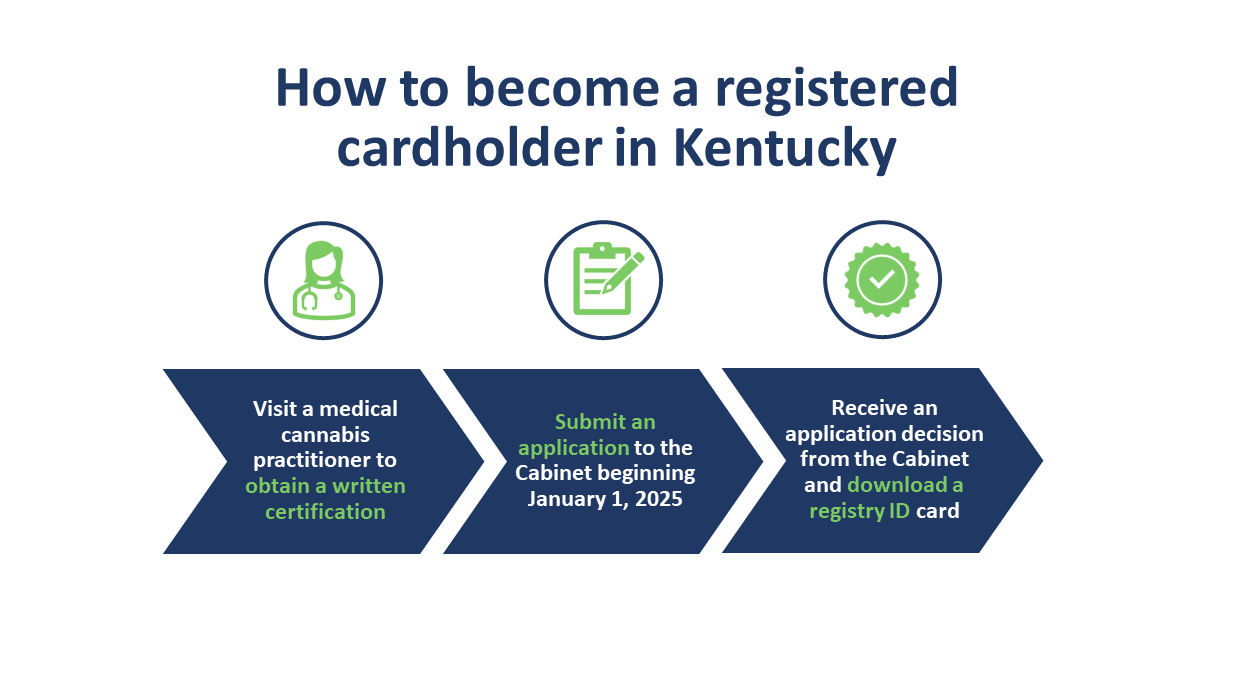
Kentucky Office of Medical Cannabis guide to becoming a registered cardholder.
Kentucky Is a Medical-Only Cannabis State
The first thing to understand is that Kentucky's cannabis program is specifically a medical cannabis program. Patients must qualify under the state's requirements and receive a valid registry identification card before accessing medical cannabis through Kentucky's licensed dispensary system.
Fortunately, the basic process is fairly straightforward once you know what Kentucky requires. For most adult Kentucky residents, it comes down to four main steps: determine whether you qualify, visit an authorized medical cannabis practitioner, prepare your application documents, and apply through the state's Patient and Caregiver Registration Portal.
How to Get a Kentucky Medical Cannabis Card: The Short Version
- Make sure you meet Kentucky's eligibility requirements.
- Visit an authorized Kentucky medical cannabis practitioner in person.
- Receive your written certification.
- Complete and notarize the required applicant signature page.
- Submit your application and $25 fee through Kentucky's Patient and Caregiver Registration Portal.
Step 1: Find Out Whether You Qualify
For an in-state adult patient card, Kentucky requires you to be a Kentucky resident, not have been convicted of a disqualifying felony offense, and have a qualifying medical condition.
Current qualifying medical conditions include:
- Any type or form of cancer
- Chronic or severe pain
- Epilepsy or another intractable seizure disorder
- Multiple sclerosis, muscle spasms, or spasticity
- Chronic nausea or cyclical vomiting syndrome
- Post-traumatic stress disorder (PTSD)
Kentucky's qualifying-condition rules can change, so patients should always check the Kentucky Medical Cannabis Program's current guidance rather than relying on an older list found online.
Step 2: Find an Authorized Kentucky Medical Cannabis Practitioner
Having a qualifying condition does not automatically give you a medical cannabis card. Your next step is to obtain a written certification from a practitioner authorized to provide medical cannabis certifications in Kentucky.
Kentucky maintains an official Authorized Practitioner Directory that patients can search by city, ZIP code, county, and practitioner specialty.
One detail is especially important for new patients: Kentucky requires the initial examination for your first written certification to take place in person.
After that initial in-person relationship has been established, certain subsequent certifications and follow-up care may be handled electronically or through telehealth in accordance with Kentucky's rules.
Practitioner appointment costs are separate from the state's medical cannabis card application fee. Individual practitioners determine their own fees, so ask the office about the cost when scheduling your appointment.
What Happens at the Practitioner Visit?
The appointment is more than simply asking a practitioner to sign a form.
Kentucky requires the practitioner to establish a bona fide practitioner-patient relationship. The practitioner must diagnose your qualifying condition or confirm a diagnosis made by another healthcare provider and review required medical information.
The practitioner will also discuss medical cannabis with you, including possible risks, side effects, and potential interactions with medications you are currently taking.
If the practitioner determines that you meet Kentucky's requirements, they can issue your written certification through the state's system.
Step 3: Get Your Application Documents Ready
Once you have your written certification, you are ready to prepare the rest of your application.
Kentucky's patient application requires information including your:
- Full name
- Address
- Telephone number
- Email address
- Date of birth
- Social Security number
- Driver's license number
- Medical cannabis practitioner's information
- Written certification
You will also need the state's required applicant signature page.
Pay attention to this part: the signature page must be signed and notarized. An incomplete or incorrect notary page can cause problems with an application, so make sure the correct form is completed before uploading it.
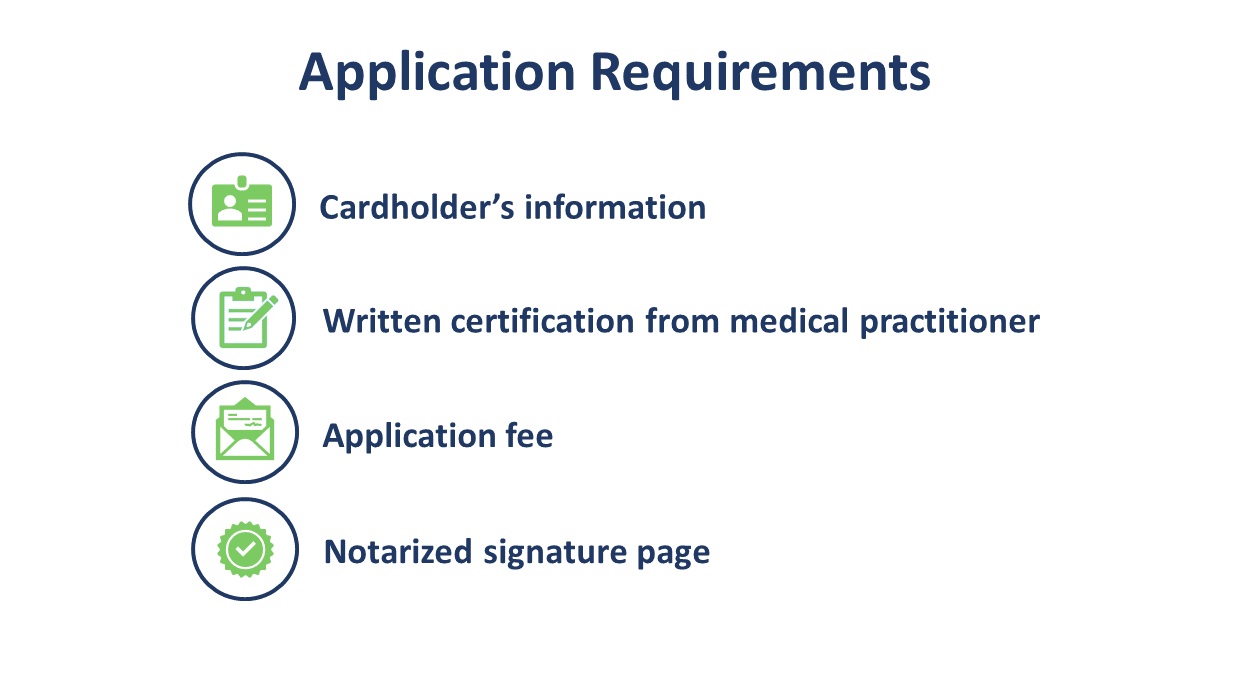
Patient application requirements from the Kentucky Office of Medical Cannabis.
Step 4: Submit Your Kentucky Medical Cannabis Card Application
Applications are submitted through the Kentucky Medical Cannabis Program's Patient and Caregiver Registration Portal.
The application fee for a qualified patient is currently $25.
Your initial written certification is time-sensitive. Kentucky states that an initial certification is valid for no more than 60 days, so don't receive your certification and then leave the application sitting unfinished for months.
Having your information and notarized signature page ready before starting the application can make the process considerably easier.
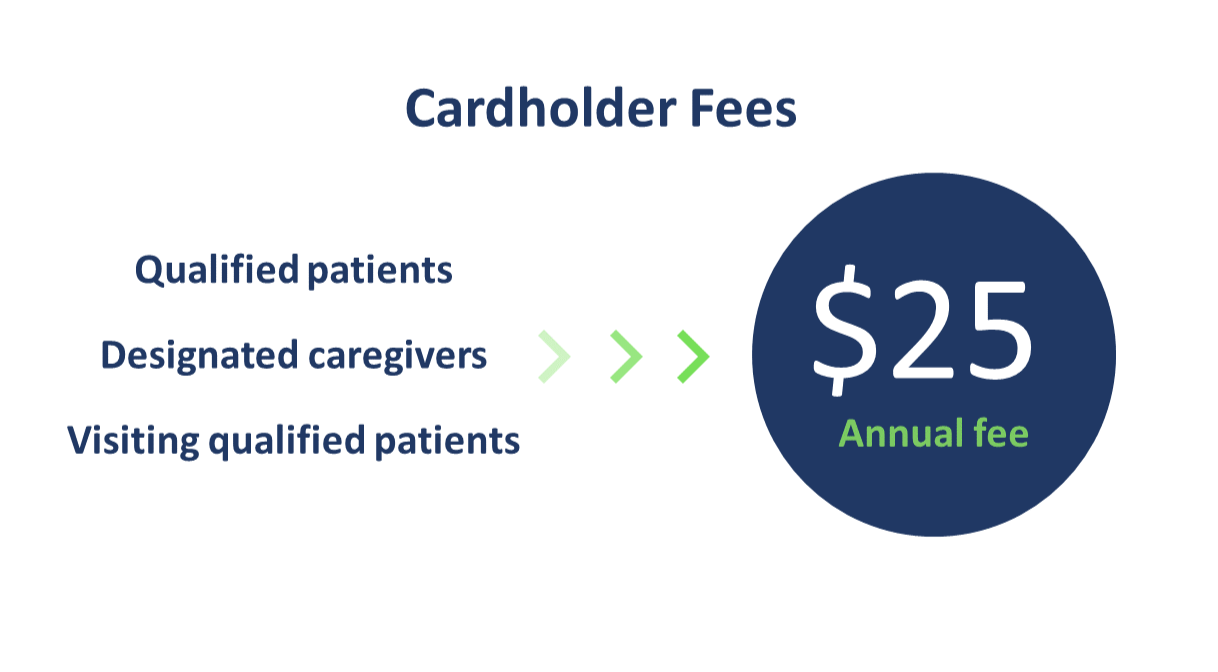
Current cardholder fee information from the Kentucky Office of Medical Cannabis.
How Long Does Medical Cannabis Card Approval Take?
Kentucky's Office of Medical Cannabis says it will approve or deny an application within 30 days after receiving a completed application.
Once an application is approved, the registry identification card is issued within five days of approval.
Kentucky medical cannabis cards are digital and are provided electronically to approved cardholders. The digital card includes security features such as a QR code and barcode.
A patient card is generally valid for one year, unless the practitioner who issued the certification specifies an earlier expiration.
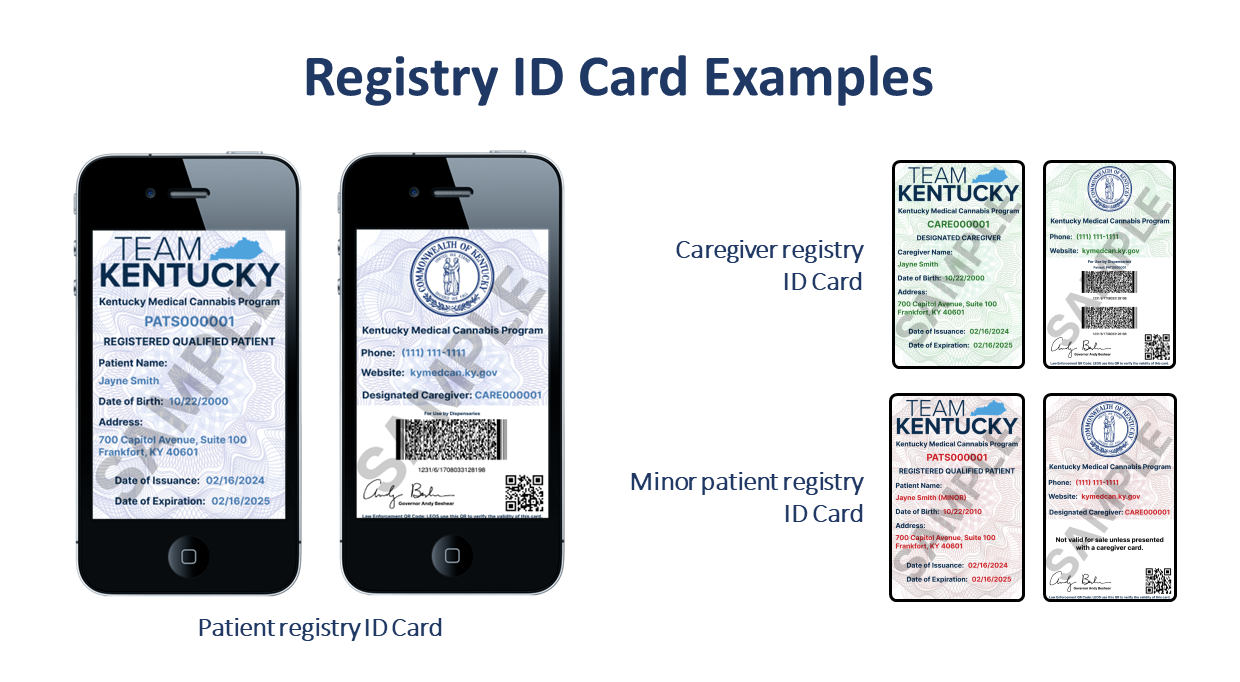
Registry identification card information from the Kentucky Office of Medical Cannabis.
What About Patients Under 18?
Kentucky does allow qualifying patients under 18 to register, but there are additional requirements.
A minor must have a qualifying condition and written certification, along with additional documentation of the diagnosis from a practitioner other than the practitioner who issued the medical cannabis certification.
A custodial parent or legal guardian must also agree to the minor's participation in the program and serve as the minor patient's designated caregiver.
Families applying on behalf of a minor should review the state's specific minor-patient instructions before beginning the application.
Don't Forget About Medical Cannabis Card Renewal
Your Kentucky medical cannabis card is not permanent. Most cards are valid for one year and must be renewed to remain active.
Kentucky currently instructs cardholders to submit renewal applications at least 30 days, but no more than 60 days, before the card's expiration date.
Renewal requires a new written certification and another state application. Kentucky permits certain renewal certifications to be handled electronically or through telehealth when the applicable practitioner-patient requirements have already been established.
Before You Apply: A Few Tips
- Use Kentucky's official practitioner directory. Make sure the practitioner you choose is authorized to provide medical cannabis certifications in Kentucky.
- Remember that your first certification visit must be in person.
- Ask about appointment costs ahead of time. The practitioner's fee is separate from Kentucky's $25 application fee.
- Get the signature page notarized correctly. Double-check the form before submitting your application.
- Don't wait too long after certification. Your initial written certification is time-sensitive.
- Use official Kentucky resources. Program requirements can change, so current state guidance should always take priority over older articles or social media posts.
Ready to Start the Process?
Kentucky's Office of Medical Cannabis provides the official resources you'll need to find an authorized practitioner, review application requirements, and begin the process of becoming a registered medical cannabis patient.
Find an Authorized Practitioner View Application InstructionsKeep Learning With Grass Roots
These related guides explain more about Kentucky's medical cannabis program.
- Qualifying Conditions for Medical Cannabis in Kentucky
- Medical Cannabis Card Renewal in Kentucky: Dates, Steps and Fees
- Your First Dispensary Visit in Mayfield: What to Expect
- How Much Medical Cannabis Can You Buy and Carry in Kentucky?
- Kentucky Medical Cannabis Caregiver Guide: Cards, Rules and Limits
- Can You Use an Out of State Medical Card in Kentucky?
Medicinal cannabis is for use by cardholders only. Keep out of reach of children.
Kentucky Medical Cannabis Card Quick Checklist
- Program: Medical cannabis only
- Qualifying condition: Required
- Practitioner: Must be authorized by Kentucky
- First certification visit: In person
- Written certification: Required before applying
- Signature page: Must be notarized
- State application fee: $25
- Application decision: Within 30 days of a completed application
- Card issuance: Within five days after approval
- Card format: Digital
- Typical card validity: One year
Educational Notice: This article is provided for general educational purposes and is not medical or legal advice. Kentucky Medical Cannabis Program requirements may change. Patients should verify current requirements with the Kentucky Office of Medical Cannabis and discuss medical questions with an authorized healthcare practitioner.